
Why Renting in Lagos Feels Like a Trap and How You Can Finally Break Free
If you live in Lagos, this story may feel painfully familiar.
Funke Olamide is a trader in Ikorodu. Every year, she pays ₦900,000 for a single room. Not a mini flat. Not a self-contained apartment. Just one room.
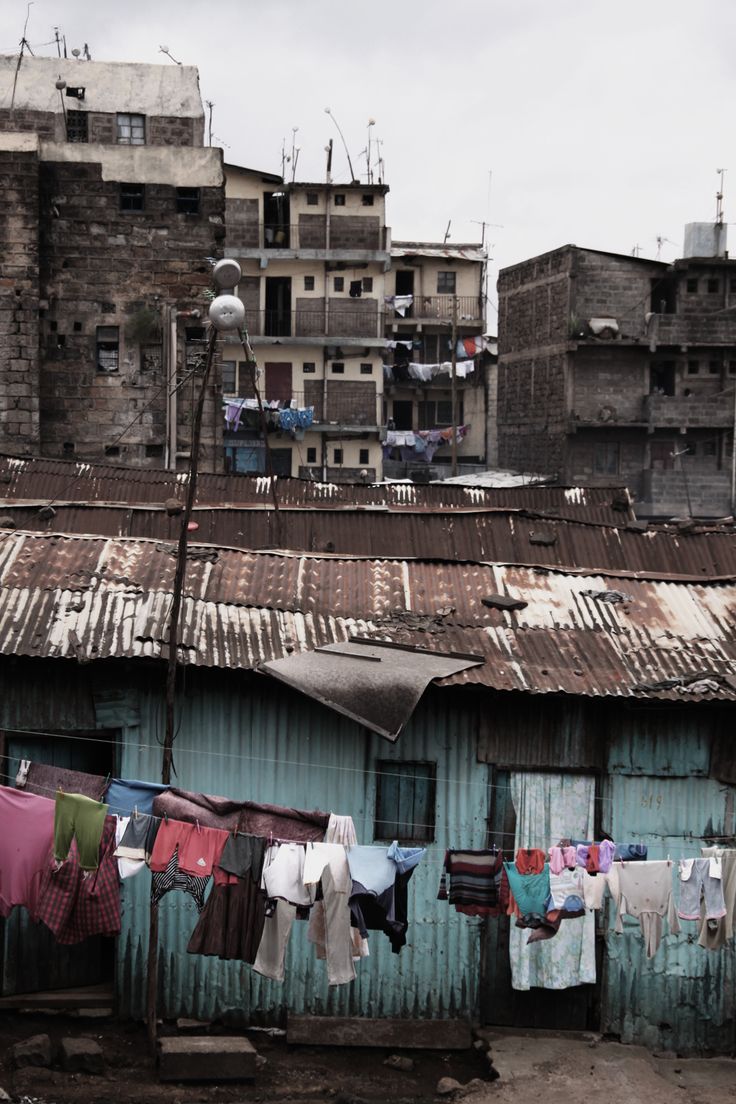
There is no running water in her compound. Every morning, she buys water before going to her shop. During the rainy season, the building floods. Mosquitoes fill the rooms at night. Electricity is unstable. Repairs rarely happen.
When she complains, she is told she can leave if she is not satisfied.
Funke often asks herself whether she is paying rent for a home or simply paying because she has no other option.
Across Lagos, from Ikorodu to Ajah, Yaba to Surulere, tenants are paying between ₦1.5 million and ₦2.5 million per year for apartments that lack potable water, proper drainage, reliable electricity, and safe structural conditions.
This is the harsh reality of the Lagos housing crisis.
You are paying premium rent for substandard housing and the system rewards landlords who refuse to fix anything.
The Real Problem With Renting in Lagos
Here is the uncomfortable truth.
Many landlords make more money by not maintaining their properties.
In a city where demand for housing far exceeds supply, quality becomes optional. Nigeria faces a housing deficit estimated at over 17 million units. When housing is scarce, landlords hold the power.
Leaking roofs. Faulty wiring. Cracked walls. Bad plumbing. As long as the property is in a desirable location, it will rent.
When your tenancy ends, the rent increases. Sometimes by as much as 60 to 80 percent.
Poorly maintained buildings in Lagos often cost nearly the same as well-maintained ones. The market does not reward quality. It rewards ownership.
The system benefits landlords far more than tenants.
The Dangerous Reactive Maintenance Culture
Many property owners operate with a reactive maintenance approach. They fix problems only after serious damage occurs.
Roof leaking. They wait.
Electrical fault. They delay.
Structural cracks. They ignore.
This approach is dangerous.
Lagos has recorded numerous building collapses over the years, resulting in tragic loss of lives. In several cases, tenants reported visible warning signs before the structures failed.
"In the first half of 2025 alone, Lagos recorded 10 building collapses eight of which claimed 62 lives."
Neglect is not just inconvenient. It can be deadly.
The Hidden Costs of Poor Housing in Lagos
Bad housing costs you more than rent.
Higher utility bills
Poor wiring and ventilation increase electricity consumption while delivering less comfort.
Health problems
Leaking roofs cause mold. Poor drainage breeds mosquitoes. Inadequate sanitation spreads disease.
Lost productivity
Time spent fetching water, resolving power issues, or chasing landlords for repairs reduces time available for work and business.
Emotional stress
Living in unsafe or degrading conditions creates anxiety and long-term psychological strain.
Renting in Lagos often feels like survival rather than stability.
Why the Lagos Housing Crisis Exists
Several structural factors drive this crisis.
Massive housing deficit
Nigeria’s estimated 17 million housing shortfall creates desperation in the rental market.
Weak regulatory enforcement
Although tenancy laws exist in Lagos, enforcement remains inconsistent, especially in informal housing arrangements.
High transaction costs
Agency fees, agreement fees, caution fees, and service charges significantly increase the financial burden of renting.
Lack of maintenance incentives
As long as tenants keep paying high rents, many landlords see little reason to invest in property upgrades.
The Way Out: Move From Tenant to Owner
Escaping the rent cycle may not happen overnight. But it is possible.
Ownership does not have to begin with a luxury home in Ikoyi or Lekki. It begins with a strategy.
Start Small
Consider buying land in developing areas such as Ikorodu, Epe, Igando, or Badagry where prices are relatively lower. Land ownership is often the first step toward long-term wealth creation.
Buy Land First and Build Gradually
Instead of waiting until you can afford a finished property, secure land and develop it in stages. Many successful property owners in Lagos began this way.
Explore Rent-to-Own Housing Schemes
Some developers now offer rent-to-own options where part of your payments contribute toward eventual ownership. This provides a structured pathway from renting to owning.
Join a Cooperative Society
Housing cooperatives allow members to pool funds to purchase land or develop property collectively. This model reduces individual financial pressure while increasing access to ownership.
Monitor Government Housing Initiatives
Affordable housing projects are periodically introduced. Staying informed can open doors to structured homeownership opportunities.
The Financial Reality
If you pay ₦1.5 million annually in rent, in 10 years you have spent ₦15 million.
That money is gone.
If instead you channel ₦1.5 million yearly toward land acquisition or structured ownership payments, after 10 years you may own a tangible asset.
Over 20 years, that asset appreciates.
Over 30 years, it becomes generational wealth.
Rent builds your landlord’s future. Ownership builds yours.
Know Your Rights as a Tenant
While you work toward ownership, protect yourself.
The Lagos Tenancy Law states that landlords cannot demand more than one year’s rent in advance for residential properties.
You have the right to verify agents, document agreements properly, and report exploitative practices through the appropriate regulatory bodies.
Awareness reduces exploitation.
Final Thoughts
Funke pays ₦900,000 per year for a single room without water.
She feels trapped.
Many Lagos residents feel the same way.
The Lagos real estate system has deep structural problems. But your long-term strategy can still change your future.
Research land prices.
Create a property savings plan.
Verify every transaction carefully.
Think long term.
The best time to begin building ownership was yesterday.
The next best time is now.