Buying Land vs Building Immediately: Which Comes First?
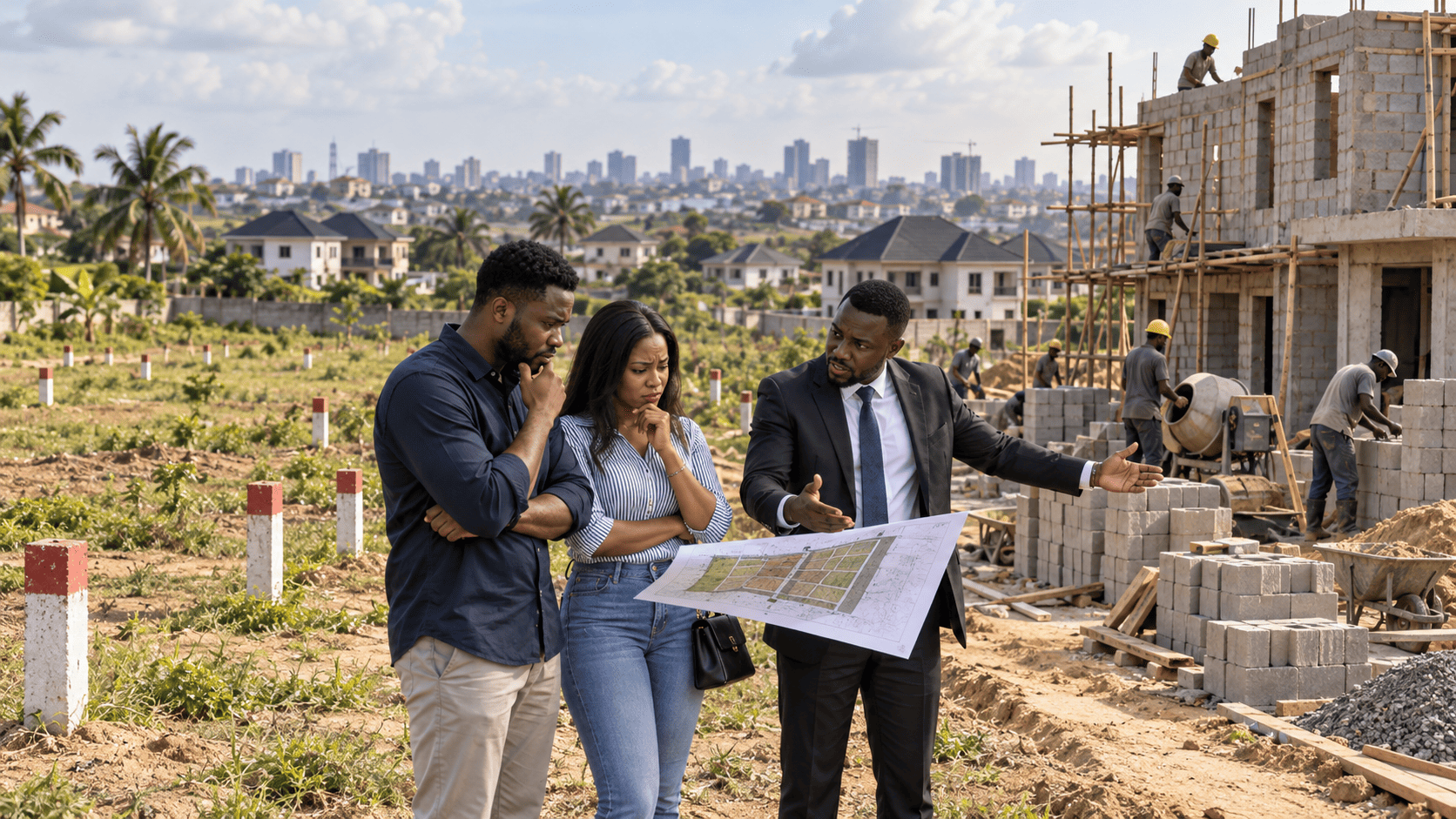
Some buyers purchase land and start building within the year. Others hold a plot for a decade before laying a single block. Both are legitimate strategies, but they serve different goals, and confusing the two can leave you with the wrong plot, the wrong location, or an unrealistic budget. Here's how to think about the decision.
They're Actually Two Different Investments
Buying land to hold, sometimes called land banking, treats the plot itself as the investment. You're betting on appreciation: that the location will become more valuable over time as infrastructure develops, population grows, or the surrounding corridor matures. You don't need the land to be immediately buildable, serviced, or even fully accessible, you need it to be titled, secure, and positioned in a location with real growth drivers.
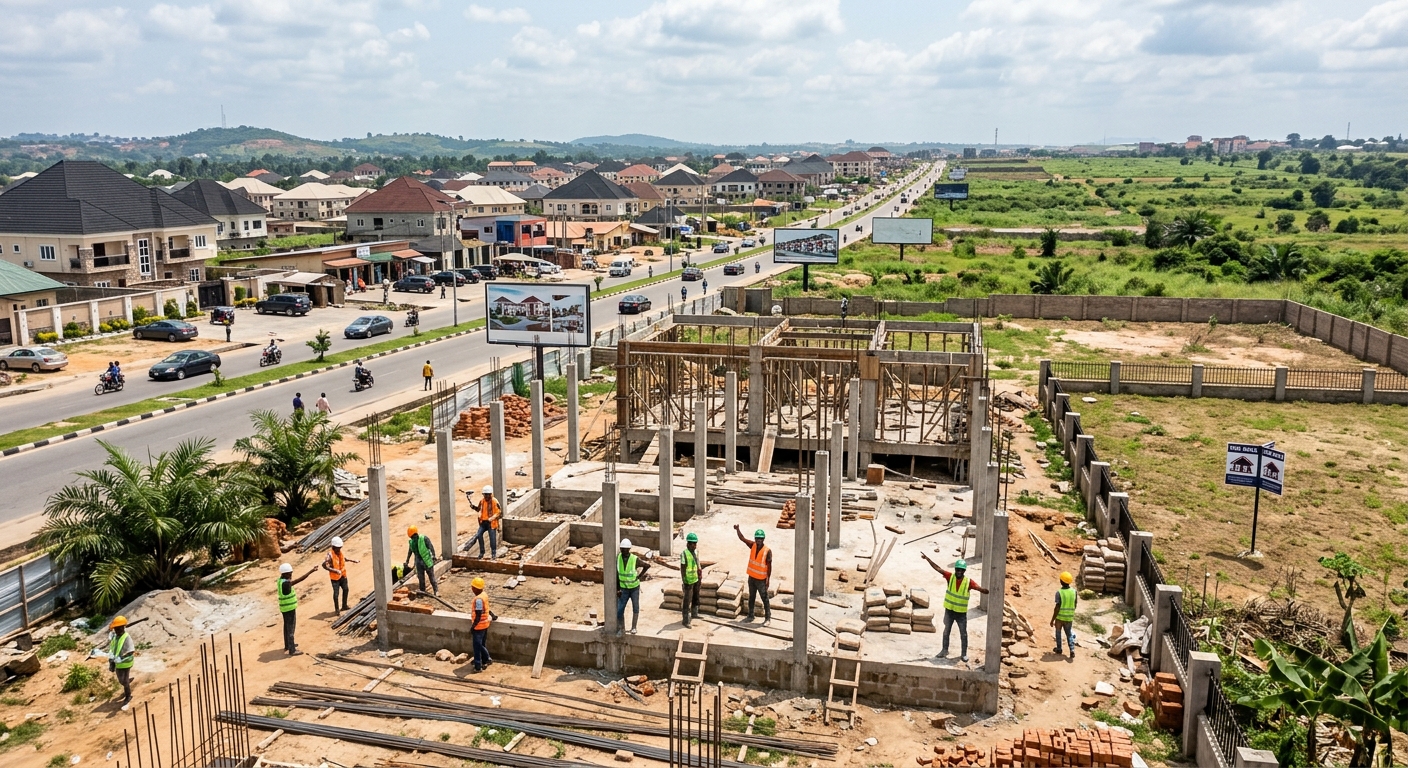
Buying land to build immediately is a different calculation entirely. Here, the plot's appreciation potential matters less than its readiness right now: is there road access? Is there power and water infrastructure nearby or already installed? Is the estate developed enough to support construction without you having to fund basic infrastructure yourself?
What Changes If You're Building Soon
If you plan to build within the next year or two, prioritize:
- Developed estate infrastructure. Look specifically for plots that already have road networks, lighting, security, and utilities in place, not just promised for the future.
- Accessibility. A plot that's difficult to reach by road adds real cost and delay to any building project, regardless of how good the underlying investment case looks.
- Title readiness. You'll want your title fully resolved, ideally a C of O already in place, before construction begins, since building permits and future financing typically require clean documentation.
- Realistic proximity to your daily life. If you'll be living there, commute distance, nearby schools, and amenities matter in a way they simply don't for a pure investment plot.
What Changes If You're Holding for the Long Term
If your plan is to hold and let the land appreciate, different priorities take over:
- Growth trajectory matters more than current infrastructure. A plot near a project still under construction, an airport, a university, a new road, can offer stronger long-term appreciation precisely because it hasn't been fully priced in yet.
- Entry price matters more than immediate convenience. You're optimizing for the gap between what you pay now and what the land could be worth once the surrounding area matures, not for how easy it is to build on today.
- Title security still matters just as much. Don't assume a lower price justifies weaker documentation, an unresolved or disputed title can undermine years of appreciation just as easily whether you're building or holding.
Can You Do Both?
Yes, and many buyers do exactly this: buy a plot specifically because of its growth potential, then either build later once the area matures, or hold it purely as an appreciating asset with no fixed building timeline at all. The key is being honest with yourself about which strategy you're actually pursuing when you choose a location and title type, rather than picking a plot with one goal in mind and being surprised when it doesn't suit the other.
How This Affects Which Location Fits You
Locations at different stages of development naturally suit different strategies. A more established, developed corridor with existing infrastructure, our Gwagwalada listing with its already-in-place road network, lighting, and 24/7 power, suits someone planning to build sooner. A location still earlier in its growth curve may offer a better entry price for someone planning to hold longer.
The Bottom Line
"Buy land" isn't a single strategy, it's at least two different ones wearing the same name. Knowing whether you're buying to build soon or buying to hold changes what you should actually be looking for: infrastructure readiness and accessibility for builders, growth trajectory and entry price for holders. Get clear on which one you're doing before you choose a plot, not after.
Not sure which approach fits your goals? Book a free consultation to talk through your timeline, or browse verified properties across both developed and emerging corridors.
Frequently Asked Questions
Is it better to buy land to build immediately or to hold as an investment? Neither is universally better, it depends on your goals. Building soon prioritizes infrastructure readiness and accessibility, while holding as an investment prioritizes growth trajectory and entry price over immediate convenience.
Can I buy land now and decide later whether to build or hold? Yes, many buyers do exactly this. The main thing to get right upfront is title security and location quality, both matter regardless of which path you eventually choose.
Does land banking mean the plot won't have basic infrastructure? Not necessarily, but land banking strategies typically prioritize growth potential over current infrastructure readiness. Some land-banking plots do have developed infrastructure already, but it's not the primary criterion for that strategy.
How long should I wait before building on land I bought for investment? There's no fixed timeline, it depends on how the surrounding area develops and your own financial readiness. Some buyers hold for years before building, others build within a year or two once infrastructure catches up.
What's the biggest mistake buyers make when choosing between these two strategies? Choosing a plot suited to one strategy while planning to pursue the other, for example, buying an early-stage, less-developed plot with the intention of building immediately, without accounting for the infrastructure gaps that come with an earlier growth stage.